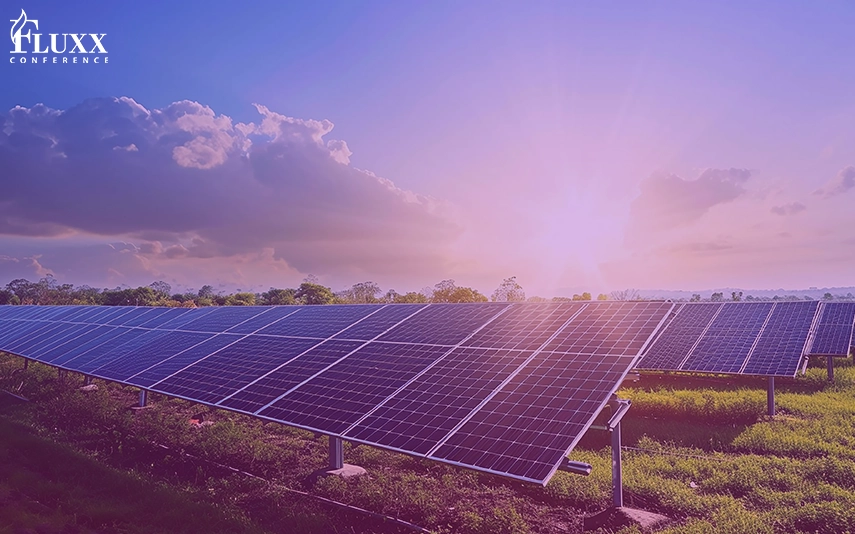
Clean energy conversations are evolving at a rapid pace. The use of solar panels used to characterize the efforts of sustainability, but the use of innovation continues to challenge. Energy solutions today extend well past rooftops and open fields and have become open to more intelligent and adaptable systems.
Clean energy innovation continues to redefine how energy integrates into daily life. It is also no longer restricted to terrestrial installations since water bodies and surfaces of buildings are currently actively involved in generating power.
What Are Floating Wind Farms?
Floating wind farms cause turbines to be placed deeper in the water where the wind is more consistent and higher. These offshore structures are not attached to the ocean floor like conventional offshore structures but are secured to the ocean floor on floating platforms. This change in clean energy innovation can enable the energy developers to tap into places that were thought to be unfeasible. It also lessens land-use disputes, which tend to put renewable projects on hiatus.Why Do Deeper Waters Matter?
The availability of wind energy is location-dependent. Onshore winds are not as stable and strong as offshore winds. Floating systems are using this advantage and are not restricted by shallow coasts. With clean energy innovation, countries are flexible in the choice of sites. This solution also helps to promote the development of larger energy production without affecting the coastal ecosystems and communities.Benefits of Floating Wind Farms
Floating wind farms have a number of benefits that transform the renewable energy planning:- Availability of more powerful sources of wind.
- Less visual impact of the shoreline.
- Reduced reliance on land availability.
- Expandability.
Challenges That Still Exist
Floating wind farms are a great promise but must be engineered and invested in carefully. The extreme conditions of the sea require strong materials and accurate anchoring mechanisms. In deeper waters maintenance is also complicated. Despite these issues, clean energy innovation continues to progress, with enhanced design and cost management solutions. Economies of scale can help decrease the total costs in the long run.Introducing Solar Glass
As floating turbines are in the oceans, cities are also undergoing their transformation. Solar glass is a type of photovoltaic that is built into windows, facades, and building surfaces. This type of clean energy innovation transforms regular buildings into energy producers without affecting their main purpose. Edifices are no longer mere consumers of electricity.How Solar Glass Works?
Solar glass uses panels of glass, which are transparent or semi-transparent and placed on glass surfaces to capture the sun rays. These panels harness the solar energy to produce electricity and at the same time let the natural light through. Innovation in clean energy, architecture starts to intertwine with energy production. Designers and developers can have new possibilities to make buildings efficient in energy consumption and at the same time not to lose their beauty.Why Solar Glass Matters for Cities?
Cities have space constraints that restrict conventional solar setups. Rooftops on their own rarely address the rising energy needs. Solar glass is a solution to this drawback, as it increases the area of use. This change towards clean energy innovation helps in smarter urban planning. The use of buildings helps to work towards the minimization of carbon footprints without compromising functionality and design attractiveness.Advantages of Solar Glass
Solar glass has convenient advantages that meet the current sustainability objectives:- Easy integration with building design.
- Good utilization of vertical surfaces.
- Less reliance on outside sources of energy.
- The increased energy saving in urban areas.