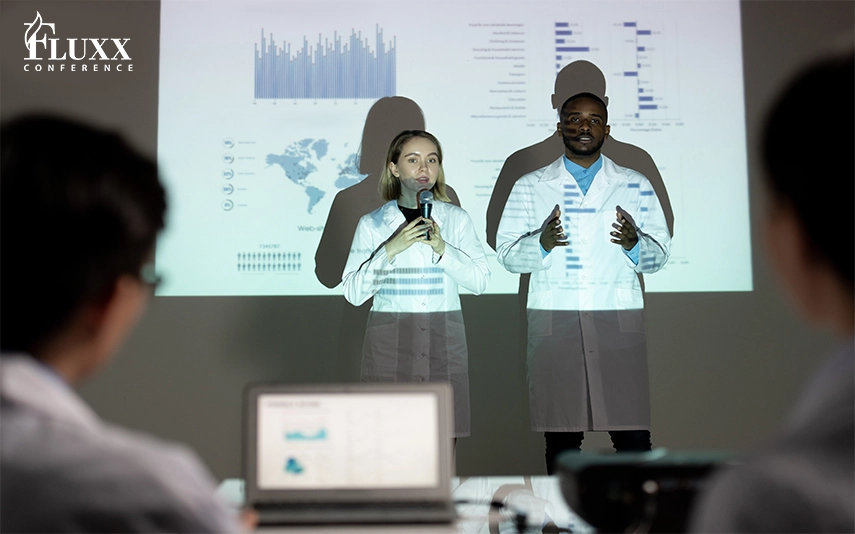
The murmurs begin long before the doors open: whispers about the latest AI diagnostic tool, heated debates around value-based care, and promises of breakthrough patient journeys shaped by real-world data. At the Fluxx Conference, these aren’t just buzzwords—they’re live conversations, deal-closing opportunities, and strategic inflection points unfolding in real time. From education summit in America sessions to private boardroom pitches, the healthcare ecosystem is in a state of transformative flux, and attendees are right in the thick of it.
1. The Live Data Battle: Real-Time Analytics in Action
Across numerous booths, you’ll find interactive dashboards showcasing predictive analytics and population health tools. It’s one thing to market them in slide decks; it’s another to witness live data flowing from devices into actionable insights.
- Scenes to remember: A provider representative watches nervously as a dashboard flags an at-risk diabetic patient via continuous glucose data. Within minutes, potential next steps are suggested—triage by telehealth, dietary intervention, or Rx refill.
- The debate: How much data is enough? What thresholds trigger interventions? Ethics panels in education summit america sessions have spilled into lunch lounges. The message? Data is only powerful when timely, accurate, and contextually meaningful.
2. Devices: Fueling Tomorrow’s Care Today
Once niche, wearables and connected devices now dominate the landscape—and the conversation floor buzzes with hardware innovation:
- Remote patient monitoring (RPM): Smart patches, tablets, and connected glucometers demo’d side by side. The chat isn’t just about tracking vitals—it’s about generating continuous insight across diverse patient populations.
- Integrations on display: What counts is not only the device accuracy but its interoperability. Vendors integrate RPM data into EMRs, care coordination platforms, and even voice assistants—streamlining workflows amid regulatory nightmares.
- Sales takeaway: You don’t sell a device—you sell connected outcomes. You pitch improved adherence, fewer hospital readmissions, and measurable cost savings. That’s compelling.
3. Debates Steering Innovation—not Just Selling It
While top healthcare conferences provide structured guidance, the unfiltered debates on the expo floor are where the real strategy develops:
- Value-based care versus fee-for-service: Some buyers still hedge toward proven FFS models. Sellers press: “What if we could reduce readmissions by 20%?” That’s where real money moves.
- AI’s role: A heated thread around machine learning in diagnostics. Evangelists tout diagnostic accuracy improvements; skeptics demand transparency and safety. These debates affect FDA trajectories and investment timelines alike.
- Cybersecurity concerns: With devices gathering sensitive data, providers are demanding airtight defenses. Vendors lacking robust security certifications—or the messaging to match—are watching opportunities slip away on the floor.
4. Revenue Engines: The Deal Rooms & Value Messaging
Beyond booths, private meeting rooms host high-stakes negotiations:
- One-on-one pitch sessions: Tailored presentations pitched to CFOs, VPs of Clinical Innovation, and pharmacy benefits leads—focused on ROI models, evaluation frameworks, and pilot-to-scale pathways.
- Closed-door ideation: Conversations on scaling pilots to enterprise level. Providers challenge vendors: “Can your platform handle 100,000 members over 24 months?” Cash registers ring on the spot.
5. Why Do “Top Healthcare Conferences” and “Education Summit America” Matter?
If you’re choosing where to invest your presence and attention, these keywords aren’t just for SEO—they’re essential signals:
- Top healthcare conferences: Signal wide-reaching impact, high-value ROI, and access to senior decision-makers across stakeholder segments.
- Education Summit America: More than theory—live training, breakthrough tool launches, and peer-led case studies that guide real implementation.
These aren’t passive learning events. They are deal generators. They are what we call “revenue accelerators.”
6. What’s Next—From Conference Floor to Boardroom?
By the time exhibitors start packing up, hundreds of new contacts have been exchanged, dozens of demos booked, and critical questions asked. But here’s the secret: that’s not where the work ends—it’s where it begins.
Post-event follow-up is where you capitalize. It’s where you turn intrigue into trials, pilots into deployments, conversations into contracts.
- Multiphase demos: Start with a targeted pilot. Prove outcomes. Scale.
- ROI modeling: Use real pilot data to build forecasted savings—then bake them into procurement contracts.
- Referral strategy: Early adopters become evangelists. That hallway buzz becomes boardroom buy-in.
Lastly
Indeed, top healthcare conferences are not just networking platforms- it’s the future of healthcare business. However, at Fluxx Conference we bring together the brightest minds in healthcare—payers, providers, life sciences innovators, tech disruptors, and policy advocates—under one roof to exchange ideas, explore emerging solutions, and forge partnerships that drive transformation. Engage with curated content, peer-driven insights, and live demos that reshape care delivery.
Interesting Reads:
The Business of Human-Centered Innovation: Where Empathy Meets ROI
Micro-Moments, Macro Impact: What Leadership Conferences Can Teach About Emotional Intelligence