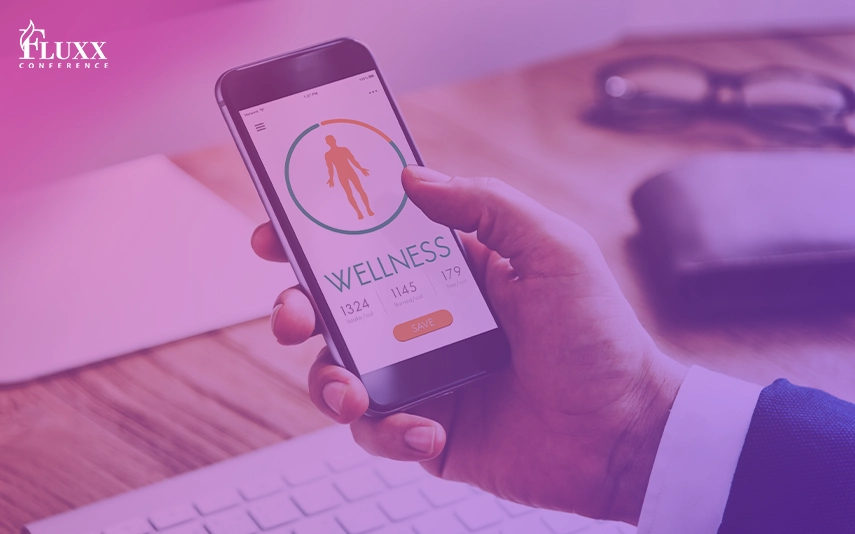
Summary: Digital therapeutics and wellness apps often appear similar, yet they serve very different purposes. While wellness apps promote lifestyle changes, digital therapeutics provide clinically validated treatments. Insights from human resources technology conferences, business development conferences, and healthcare technology conferences reveal how professionals can understand the true distinction and make informed decisions.
The digital health market is growing at a fast rate. The digital therapeutics are frequently mixed with wellness apps, which some people think serve the purpose of addressing health in the same manner. This myth requires clearance amidst the growing number of businesses, healthcare providers, and policymakers reviewing solutions that are offered at industry events such as healthcare technology conferences.
Digital therapeutics are supported and controlled, whereas wellness apps are aimed at health promotion, not clinically proven. This distinction is essential for professionals who attend events with an innovation focus and make decisions in healthcare, business, and human resources.
What are Digital Therapeutics?
Digital therapeutics (DTx) are treatments that prevent, manage, or cure a given medical condition using software. Physicians tend to prescribe them and make them undergo specific clinical trials that should demonstrate their effectiveness. In particular, chronic illnesses (such as diabetes, depression, and substance use disorders) are treated by some DTx solutions. These tools are based on scientific validation, data security, and adherence to regulatory frameworks. Participants in healthcare technology conferences usually get to hear how these products are transforming the future of patient care and redefining treatment accessibility.What are Wellness Apps?
A large number of wellness applications can be found in application stores and are aimed at lifestyle changes. They involve fitness trackers, meditation applications, nutrition guides, and sleep monitoring. They promote healthy practices, although they are not controlled like medical machines and do not substitute prescribed interventions.Key Differences Between Digital Therapeutics and Wellness Apps
1. Purpose and Validation- Digital therapeutics cure or control medical disorders.
- Healthier lifestyles are promoted by wellness apps.
- Digital therapeutics have gone through scientific validation; wellness apps rarely do.
- DTx has to be able to meet the requirements of regulatory bodies such as the FDA or EMA.
- Clinical regulations are not that rigid for wellness apps.
- A good number of DTx need to be prescribed by the physicians.
- Wellness apps can be downloaded at will without any medical supervision.that rigid for wellness apps.
- DTx assists those patients who are in a specific health condition.
- Wellness apps are targeted at the general population.
- DTx can be intertwined with clinical processes and eHR.
- Medical systems are not often integrated with wellness apps.
Why the Distinction Matters for Professionals?
Human resources technology conferences, business development conferences, and healthcare technology conferences are attended by executives, HR leaders, and healthcare experts to learn about the trends in innovation. It is essential to note the difference between these tools because:- Employers: They have to determine whether they offer wellness apps or clinically validated DTx solutions as health employee benefits.
- Healthcare Providers: Clinicians must make decisions whether or not a patient has evidence-based DTx or lifestyle-oriented apps.
- Investors and Business Developers: They have to learn how to draw the line between marketable consumer products and regulated medical interventions.
- Give evidence-based treatment.
- Enhance access to chronic condition care.
- Improve the patient outcomes using measurable data.
- Cut down on the expenses of healthcare through the reduction of hospital visits.
- Promote a healthy lifestyle.
- Propose low prices and availability.
- Gamify and support the community.
- Prevention is assistive in nature because it helps to encourage healthier habits.